kood/Fellowship our curriculum advisory board
Technology moves faster than any curriculum. So we regularly ask the people building Estonia’s tech companies what they’ll expect from a new engineer over the next year, and we build their answers into how you learn.
Why we have an advisory board
AI is changing how software gets built, and with it, who companies hire. People who only write code are no longer needed. The value comes from knowing what to build, framing the problem and directing AI until the result actually works.
//kood’s curriculum has been rebuilt three times in five years. kood/Fellowship started in autumn 2025 so that every next update starts from what people who build products and hire developers see every day. Members share how they use AI in their own work, what they expect from a new colleague, and which skills give a junior engineer an edge. All Fellowship members meet //kood at least twice a year.
Board members

Ivo Kund
Co-founder, Closaria AI; former VP of Engineering, Pactum AI, and Engineering Lead, Starship

Oliver Leisalu
Technical founder and CTO, Bolt

Priit Kaasik
Founder, Nodachi; co-founder and chairman of the supervisory board, Katana; former CTO, Katana
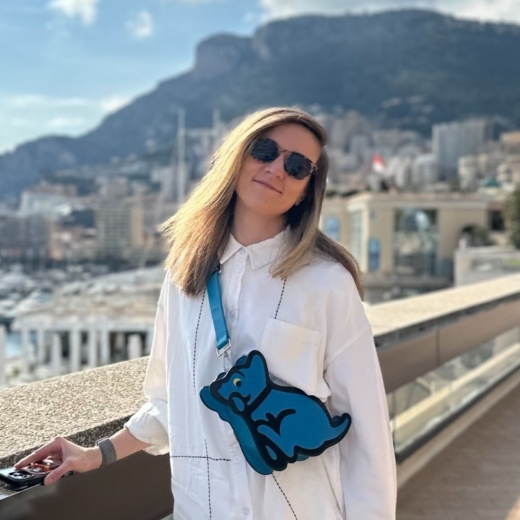
Anna-Maria Mazaheri
Co-founder and COO, One Place; co-founder and CEO, Beast

Margus Niitsoo
Technical founder, SALK; former CPO, eAgronom, and computer science curriculum manager, University of Tartu
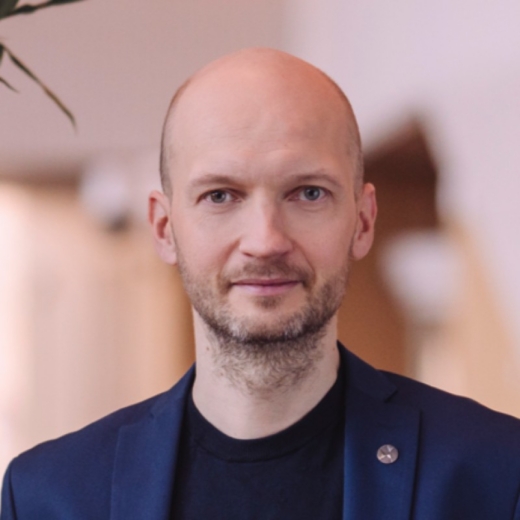
Mart Roosimägi
Head of AI Scaling and Strategy – Baltic Banking, Swedbank
What did the board tell us?
The board’s four main points, and how the curriculum answers each one.
Juniors still matter in the AI era
If no new developers come in, there’s nowhere for the next senior engineers to come from. Engineers starting today learn where AI is an everyday tool, and they adapt to new technology fast.
In the curriculumSelection Sprint
Start from zero
No coding experience is needed to apply, and the Selection Sprint is built for beginners. By graduation you can take a product from idea to launch.
Fundamentals before AI
A good developer reads code, finds bugs and can explain their solution. That’s the only way to judge whether AI output is solid. It’s like maths: you learn to calculate by hand before you pick up a calculator.
In the curriculumModule 1 / up to 6 months
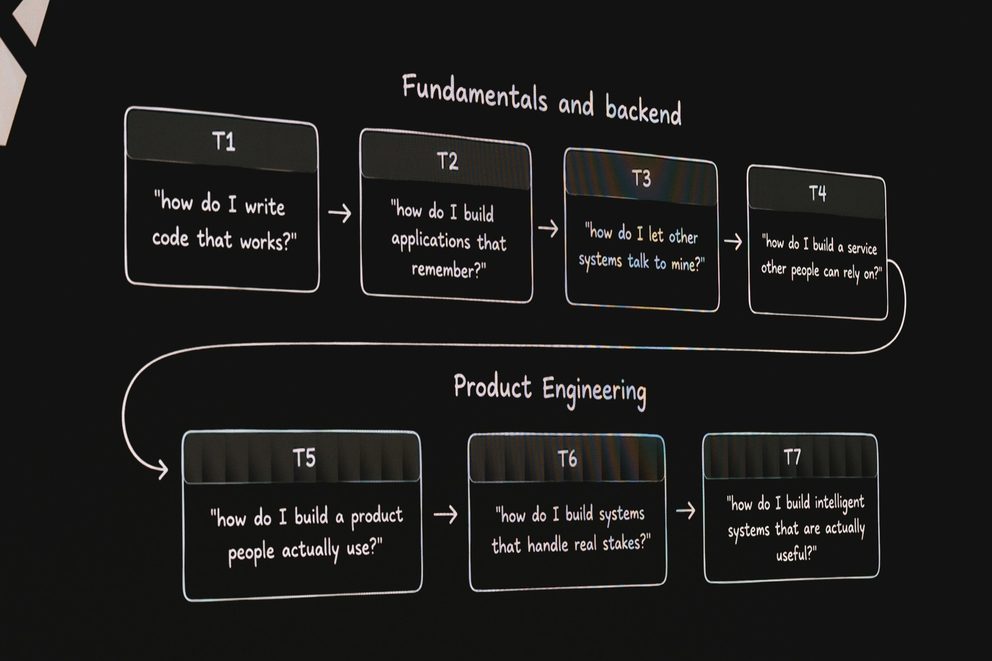
Programming Fundamentals and Backend
You write tested code, design databases, build APIs and multi-user services, and review AI output as carefully as a teammate’s pull request.
Value comes from understanding the problem
The more code AI writes, the more it matters to understand the business logic, frame the problem and write a clear spec.
In the curriculumModule 2 / up to 9 months
Product Engineering
You build three products and ship them to users. You learn to test assumptions before you build, define success criteria, prioritise and connect technical decisions to business results.
AI is part of the workflow
Employers expect developers to break a task into small steps, pick the right model, run agents safely and check the result.
In the curriculumThe whole programme
AI literacy
It’s assessed in every module. You start by checking AI-written code line by line, and in your last product you build AI into what you ship. “The AI did it” is not an excuse.
“If you can’t code, you’re just a vibe coder.”
What this means for you
At //kood, you first master programming fundamentals and solve real problems with other learners. The curriculum ends with you building an AI-powered product. In 15 months you become an AI-Ready Product Engineer who directs AI and the products it creates.
Ready to start?
The next Selection Sprint runs from 18 January to 5 February 2027 in Jõhvi, Võru and Paide. Apply by 12 January 2027.