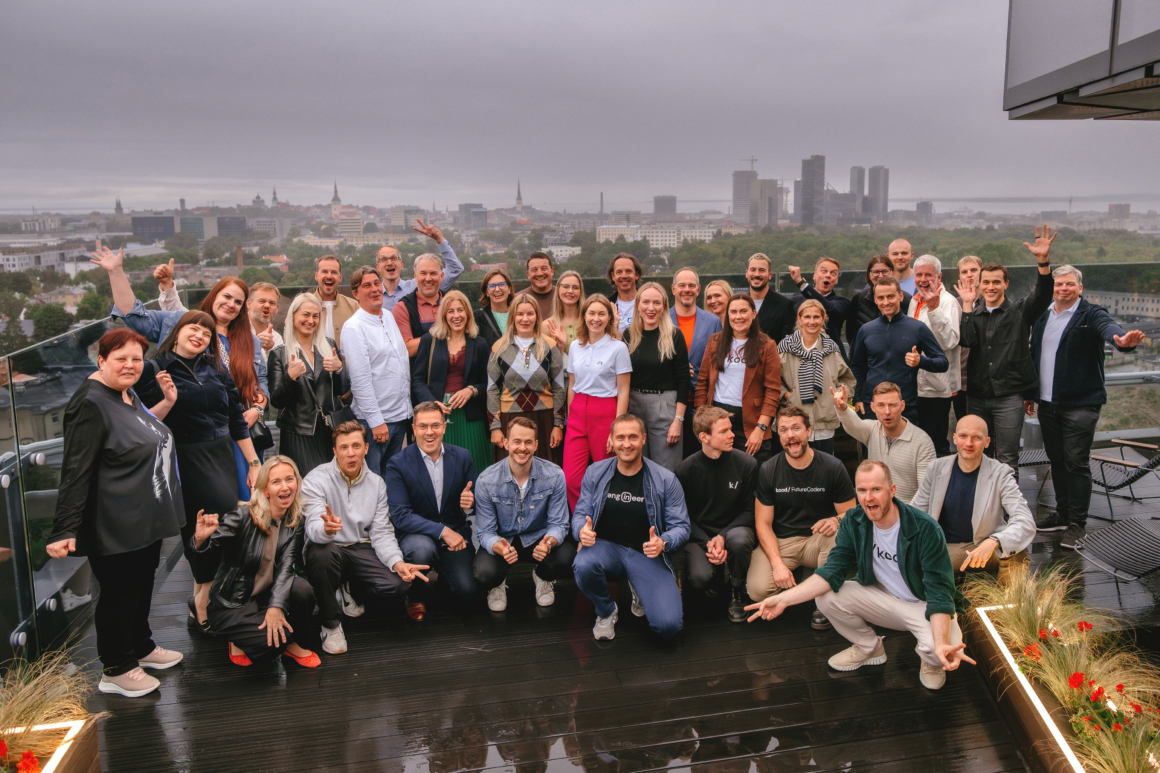
8 Founders, 5 Years of Tech Education – all started from Jõhvi, Estonia
Five years ago today, the tech school //kood opened its doors in Jõhvi. Since then, nearly 200 companies and organizations have hired //kood students and alumni, more than 1,300 people have started their studies at the school, and the learning model born in Jõhvi has spread to Paide, Võru, Finland, Ukraine, Kenya, and Moldova.

“When the first //kood school opened its doors in Jõhvi five years ago, we wanted to prove that world-class tech education doesn’t have to be born in a big city or a classic lecture hall. We wanted to give learners more freedom, but along with that, more responsibility for their own growth. Today that idea has grown into something much bigger, but the most important thing has stayed the same — the ability to adapt alongside changes in the labor market. In tech, you can’t teach tomorrow’s talent according to yesterday’s needs,” said //kood CEO Lauri Haav.
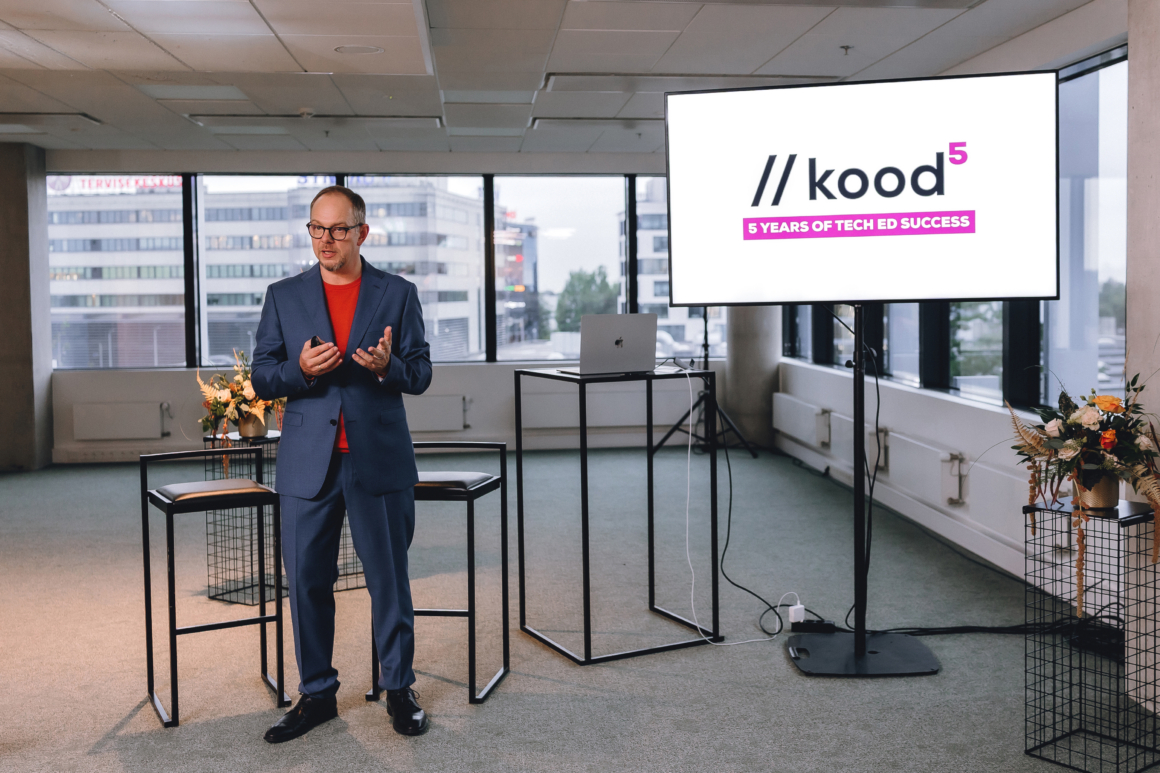
Graduates in the workforce – nearly 200 employers
/ /kood graduates work at Estonian tech companies as well as larger organizations where software development and digital solutions are a core part of daily operations. In five years, nearly 200 companies and organizations have hired //kood students and alumni. One of the biggest hirers of alumni is Pipedrive.
“The strength of //kood graduates is that they get up to speed quickly and understand why they’re doing something, which is why they don’t stay stuck at the junior level for long. At Pipedrive, people with a //kood background have moved up to the next level fairly quickly, and I don’t see any ceiling on their growth. Tech companies badly need that kind of independence, initiative, and ability to adapt quickly,” said Pipedrive former CTO Agur Jõgi.

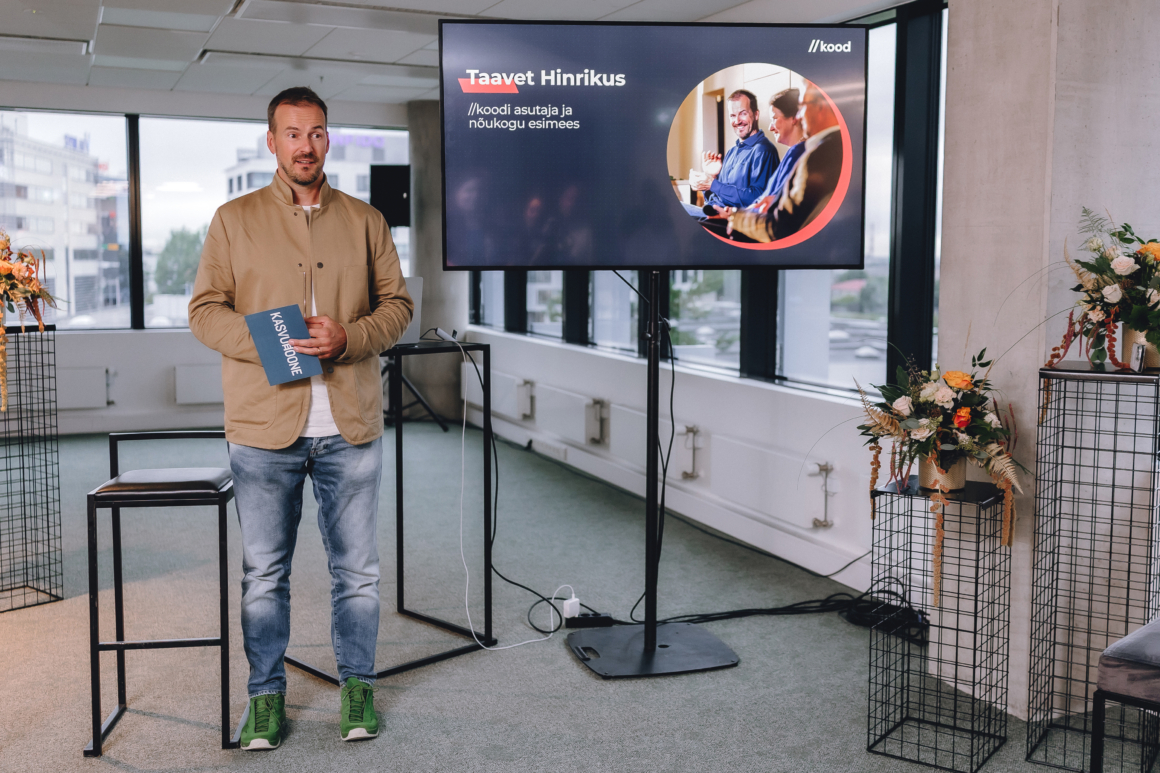
“When we started discussing the idea of building a coding school in Estonia back in 2019, nobody knew how big it would grow. The first cohort started on September 13, 2021, and today //kood operates in three locations in Estonia, with its own learning platform and partner projects reaching beyond Estonia too. The coolest part is seeing that what started as an idea has grown into something that still has so much room to keep going. We half-jokingly set ourselves the goal of teaching a million people to code — five years later, that sounds a lot less like a joke than it did at the start,” said //kood co-founder Taavet Hinrikus.
Today //kood operates in Jõhvi, Paide, and Võru, and its learning model has also reached Finland, Ukraine, Kenya, and Moldova. This international expansion is supported by the practical learning model developed in Estonia and //kood’s own technology platform, which makes it possible to apply the same approach across different countries and among thousands of learners.
Tech education has to move faster than the tech field
According to Lauri Haav, five years is a long time in the tech sector. In //kood’s early years, the central question was how to bring more software developers into the labor market — today the picture is much broader. AI is rapidly changing what tasks machines handle, what value is expected from people, and what a person’s real edge in tech actually is.
“A good software engineer’s value is shifting away from how fast they write code and toward how well they can understand a problem, make the right choices, and evaluate the solutions AI offers. AI can produce an answer in seconds, but someone still has to understand whether it’s solving the right problem and whether it can actually be relied on,” said Haav.
To keep pace with changing expectations, //kood updated its curriculum this year for the third time in the past five years. Changes are made in collaboration with practitioners and experts from the tech industry who belong to kood/Fellowship, so that companies’ real needs make their way into the curriculum quickly. Alongside technical skills, the updated program places greater emphasis on product-oriented thinking, professional skills, and AI literacy.
Over five years, more than 1,300 people have started their studies at //kood, and the school now counts hundreds of graduates. Among them are both career changers and people taking their first steps into the tech world — for whom //kood has opened the chance to build a new career outside of Tallinn and Tartu as well.

From one school to a successful model across nations and demographics
kood/FutureCoders brings hands-on programming education into Estonian high schools, kood/Empower helps women get their first introduction to the tech world, and a partnership with TalTech allows up to ten top graduates from each //kood cohort to continue under special conditions into a bachelor’s degree in information technology. As a result, a broader learning pathway has formed around //kood — one that stretches from a first contact with programming all the way to higher education.
“The path into the tech world can start at very different ages and from very different places, and five years of //kood has shown us that again and again. Our job is to create opportunities where motivation and the capacity to learn can grow into real skills, and where the learning keeps pace with the field we’re preparing people for,” said Haav.
Behind the founding of the school, which began operating in Jõhvi in 2021, was a group of entrepreneurs including Marek Kiisa, Martin Villig, Maarja Pehk, Rainer Sternfeld, Taavet Hinrikus, Merlin Seeman, Ede Tamkivi, and Mari-Liis Kitter.
All five years of //kood in numbers: impact.kood.tech