2025 at //kood: a year of expansion and impact
2025 was a year of important progress at //kood. We opened new learning centres in Estonia, expanded programming education into upper secondary schools through kood/FutureCoders, opened new international locations, and welcomed hundreds of people who chose to invest their time and energy into learning software development in a practical, peer-driven environment.
Together, these developments strengthened us both as an educational organisation and as a learning community.
Who joined //kood this year
During the year, there were thousands of candidates to //kood programmes in Estonia, and 465 new students joined us across main studies and the kood/Nooremarendaja course. The average age of new students in main studies was 29, with women making up 22% of the cohort. With students representing 27 different nationalities, the learning experience at //kood continues to be international.
People applied to //kood for many reasons – to change careers, to test whether tech could be a realistic next step, or simply to challenge themselves. For most, the Selection Sprint was the first encounter with //kood’s learning method, offering a clear picture of what studying at //kood involves: independent work, collaboration with peers, and learning through trial and error.
In 2025, we had our first three kood/Empower bootcamps where we offered an introduction to coding for women who might otherwise hesitate to explore tech. These short, four-day bootcamps welcomed close to a hundred women and, for some participants, became a first step toward further learning at //kood.
Growing across Estonia and beyond
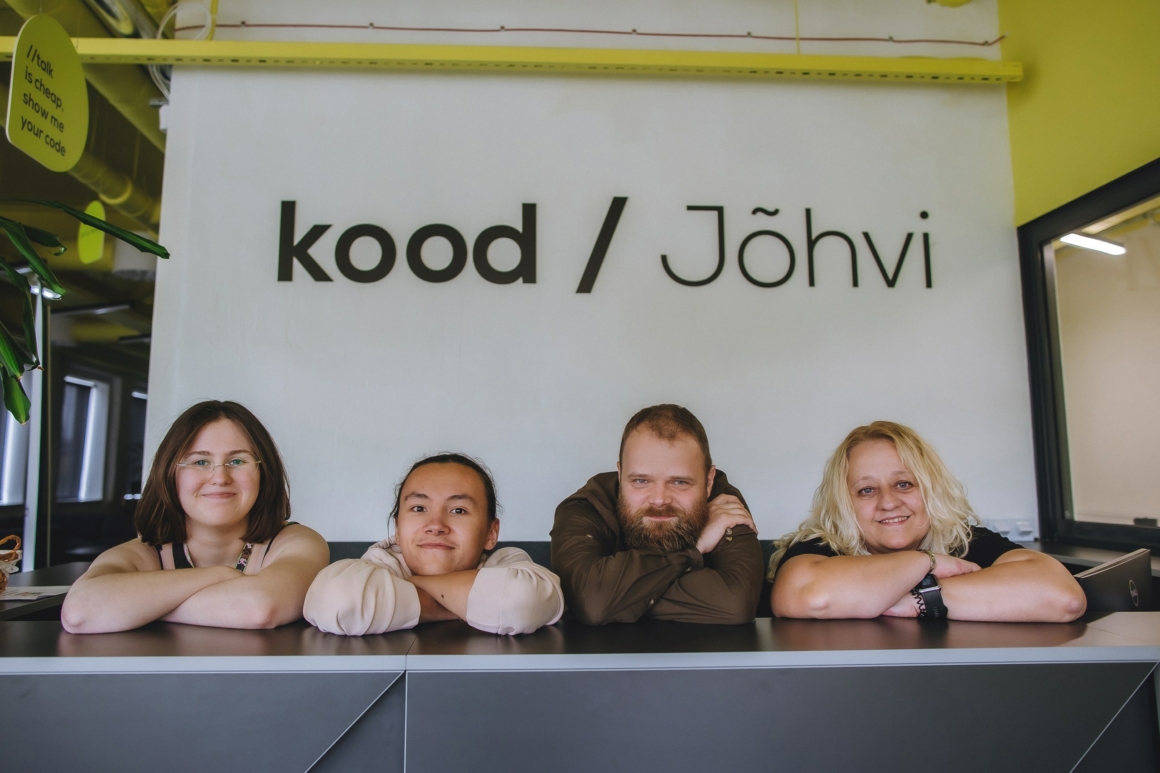
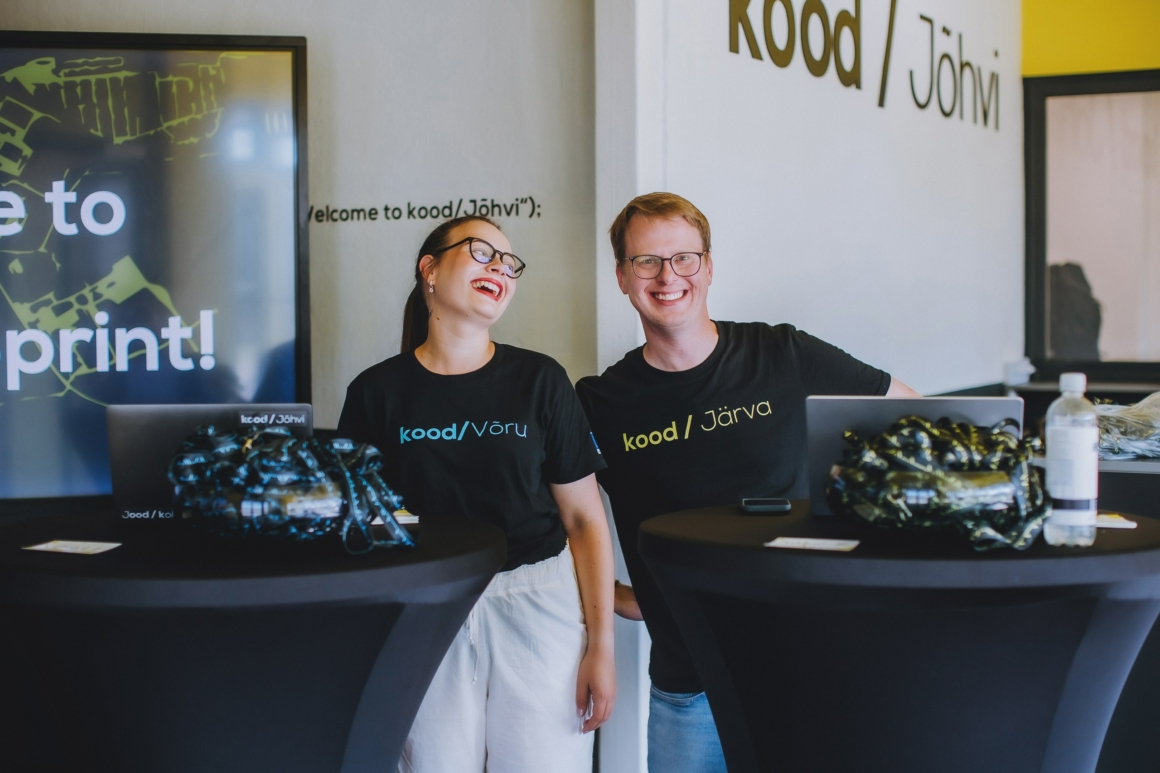
This year marked a significant expansion of our network. Alongside continued studies in Jõhvi, kood/Järva (in Paide) and kood/Võru officially opened their doors, welcoming their first students and team members.
Beyond Estonia, we also took meaningful steps internationally. In Zhytomyr, Ukraine, adults whose education and careers had been disrupted by war began their journey into tech through a programme based on the //kood learning model. In Nairobi, Kenya, the same approach was adapted to a different context, shaped by local needs and opportunities.
Learning that mirrors real work
Across our locations, studying closely resembles everyday work in software development teams. Students collaborate in groups, review each other’s code, test solutions, and learn how to give and receive feedback constructively.
While students gain technical knowledge, more importantly, they develop skills that remain relevant regardless of tools: problem-solving, adaptability, and teamwork. This approach proved especially valuable in a year shaped by rapid discussions around AI and the changing nature of tech work.
Learning is also supported by various events, webinars, and other activities. One of these is kood/JobFair, our flagship career event in Estonia that brings students, alumni, and hiring partners together to share insights, network, and explore career opportunities. In 2025, we welcomed more than 50 industry experts and over 200 students.

Partnerships and recognition
2025 also brought recognition for work built steadily over time, with several awards acknowledging our contribution to public–private cooperation, regional learning initiatives, and wider access to tech education.
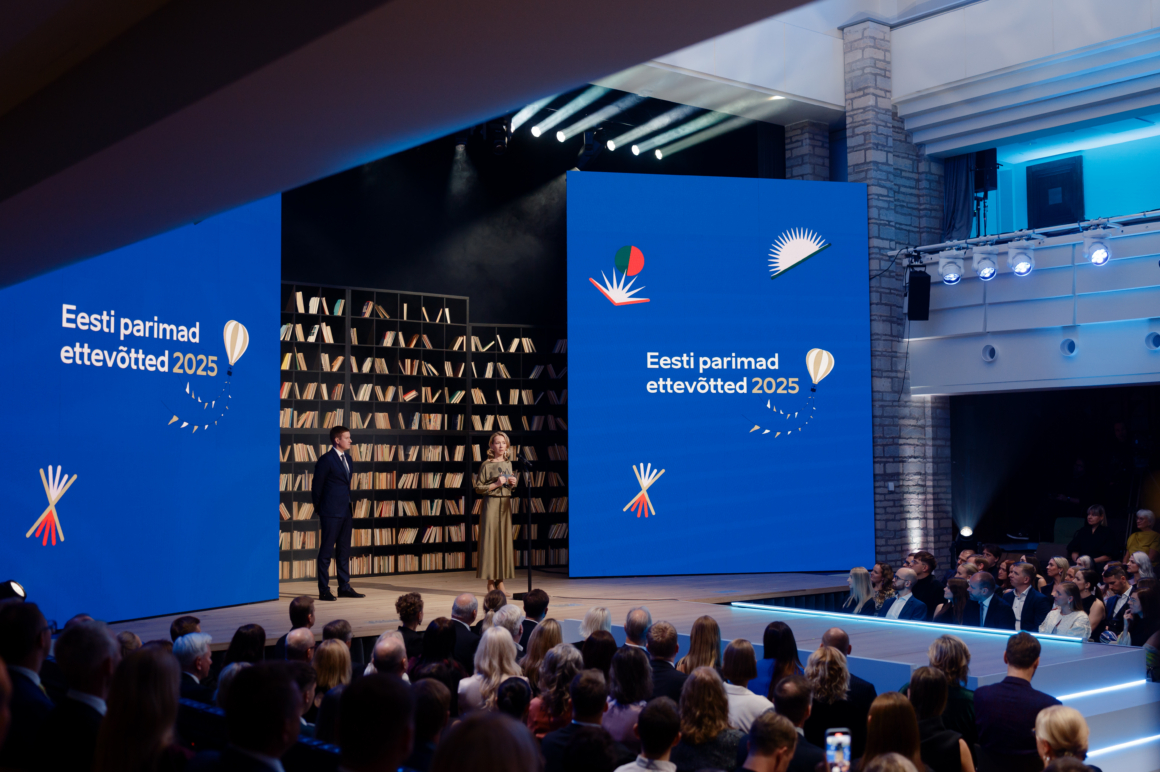
A particularly meaningful milestone came when the Estonian Ministry of Economic Affairs and Communications recognised //kood as the best entrepreneurship promoters in Estonia.
Partnerships with organisations such as SEB, Swedbank, LHV, Ericsson, SMIT, and others continued to deepen. Together with our partners, we organised activities that supported learning and career awareness, including company visits, job shadowing, code reviews, guest lectures, and more.
A major milestone was the launch of kood/FutureCoders, our high school elective programme supported by Võrumaa Arenduskeskus and SEB. To date, the programme is running in over 25 schools across Estonia, introducing more than 1000 students (and teachers) to programming, web development, and data analysis through a practical, hands-on approach. The programme was also recognised by the Ministry of Justice and Digital Affairs together with the Estonian Association of Information Technology and Telecommunications (ITL) as the Best Public–Private ICT Cooperation Project.
A community that continues beyond studies
As //kood has grown, so has our alumni community. In 2025, alumni remained actively involved by returning to events, sharing experiences, and taking part in discussions alongside new and current students.
This year also marked an important moment for many students as they graduated and took their next steps into the tech sector. Alumni stories continued to inspire us and reflect the diversity of paths into tech from ballet artists, musicians, and military officers to software developers, product engineers, and DevOps specialists.
2025 laid strong foundations for what comes next. With new learning centres established, international initiatives underway, and a growing community across different stages of study and work, we move forward with excitement for the year ahead.
Thank you to everyone – alumni, students, partners, and team members – who contributed to this year and helped shape what //kood has become and what it is becoming!